What Is Jasmine Tea? A Five-Star Guide
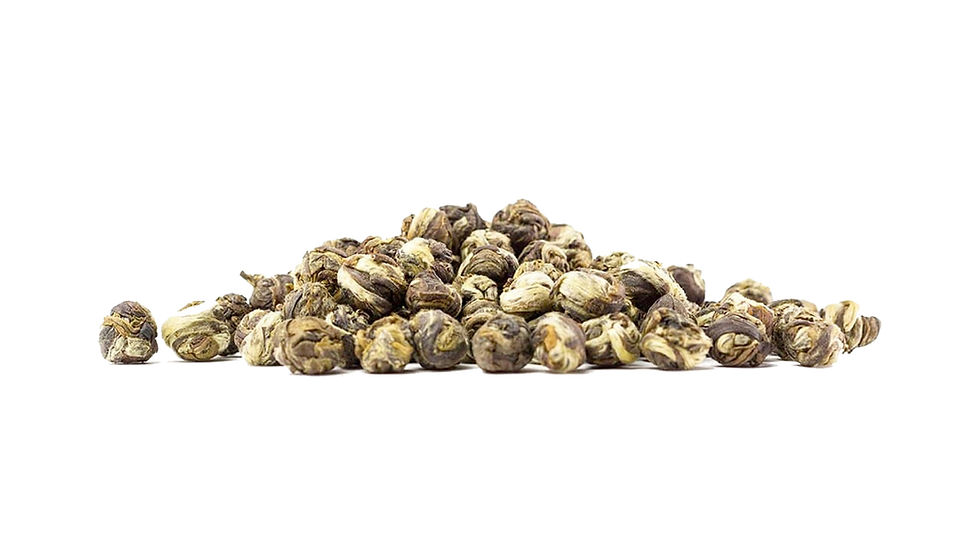
Jasmine tea is true tea, most often green or white, that has been scented with fresh jasmine blossoms until the leaf carries their perfume. It is one of the most loved scented teas in the world, and one of the most misunderstood. The finest jasmine teas contain no added flavoring at all. Their fragrance comes from the flowers themselves, layered with the leaf by hand over several nights.
For a hotel, a spa lounge or a fine dining room, jasmine is the rare tea that pleases almost every guest at first sip while still rewarding the connoisseur. Here is what it is, how it is made, and how to serve it beautifully.
What Is Jasmine Tea?
Jasmine tea begins as leaf from the tea plant, Camellia sinensis, usually a green or white tea. It is then scented, a process in which fresh jasmine blossoms are layered with the dried leaf so the tea absorbs their aroma. Once the scent has transferred, the spent flowers are typically removed. What remains is a cup that smells of a summer garden at night and tastes of the tea beneath it.
Because the base is true tea, jasmine tea contains caffeine. It is not an herbal infusion, and it should be brewed with the same care as the green or white tea it is made from.
How Jasmine Tea Is Made
Jasmine blossoms open in the evening, which is when their fragrance is strongest. Growers gather the buds by day and bring them to the tea as they begin to open. The flowers and leaf are layered together and left overnight, then separated, and the process is repeated with fresh blossoms. The finest grades are scented again and again, each pass building a deeper, more natural perfume.
Fuzhou, in China's Fujian province, has refined this craft for centuries. In 2014, the Fuzhou Jasmine and Tea Culture System was recognized by the Food and Agriculture Organization of the United Nations as a Globally Important Agricultural Heritage System.
The Three Expressions of Jasmine at Jenwey
Jasmine Spring Tips: high quality green tea leaves scented over and over with fresh jasmine. Delicate, flowery and full, it is the classic expression and the natural choice for all-day service.
Jasmine Silver Needle: downy white tea buds, sun dried, then laid beneath fresh jasmine flowers for seven consecutive nights in the warmth of August. Heady jasmine meets airy white tea, with a sweet, subtle and unexpectedly satisfying finish.
Jasmine Dragon Pearl: hand rolled shoots of Fuding Dabaicha shaped into individual pearls, layered with fresh jasmine flowers. In the glass the pearls slowly unfurl, releasing notes of jasmine and licorice and a full, velvety, creamy sweetness.
How to Brew Jasmine Tea
Jasmine rewards gentle water. Boiling water flattens the perfume and can turn green and white bases bitter.
Water: around 175°F, well below boiling.
Leaf: about one teaspoon of loose leaf, or five to six pearls, per eight ounces of water.
Time: two to three minutes for the first steep.
Second steeps: quality jasmine, especially pearls and silver needle, offers a beautiful second and third infusion. Add thirty seconds each time.
Serve it in double-walled glass. Watching Jasmine Dragon Pearls open in a glass teapot is part of the experience, and the pale gold liquor is too lovely to hide in a ceramic cup.
How Five-Star Properties Serve Jasmine Tea
Jasmine is a natural for the welcome ritual. A single glass of Jasmine Silver Needle offered at arrival sets a tone of quiet luxury before a guest has reached the room. In the dining room, jasmine pairs gracefully with seafood, dim sum, citrus desserts and anything with stone fruit.
At the bar, jasmine is a quiet star. Infused directly into gin or vodka, it lends a floral lift to a martini or a sparkling serve, and the same tea becomes the zero-proof twin over sparkling water. One leaf, two drinks, one story on the menu.
For the season ahead, consider The Jasmine Hour: an evening service in the lounge where Jasmine Dragon Pearls are brewed tableside in a glass teapot, the pearls unfurling in candlelight while guests watch. It is a ritual guests film, share and return for, and it turns a single tea into a signature moment.
Our wholesale program supplies jasmine teas, glassware and service training for hotels, resorts, spas and private clubs. Explore the full house at our collections.
Frequently Asked Questions
What is jasmine tea made of?
Jasmine tea is true tea, usually green or white, scented with fresh jasmine blossoms. The leaf absorbs the flowers' fragrance over one or more nights, and the spent flowers are typically removed.
Does jasmine tea have caffeine?
Yes. Jasmine tea is made from the tea plant, so it contains caffeine from its green or white tea base.
What is the difference between jasmine pearls and loose jasmine tea?
Jasmine pearls are young tea shoots hand rolled into small balls before scenting, and they unfurl slowly as they brew. Loose jasmine tea keeps the leaf in its open form and brews more quickly.
What temperature should jasmine tea be brewed at?
Brew jasmine tea at around 175°F for two to three minutes. Water that is too hot can mute the fragrance and make the tea taste bitter.
Can you re-steep jasmine tea?
Yes. High quality jasmine teas, especially pearls and silver needle, offer two or three flavorful infusions when each steep is extended by about thirty seconds.


Comments